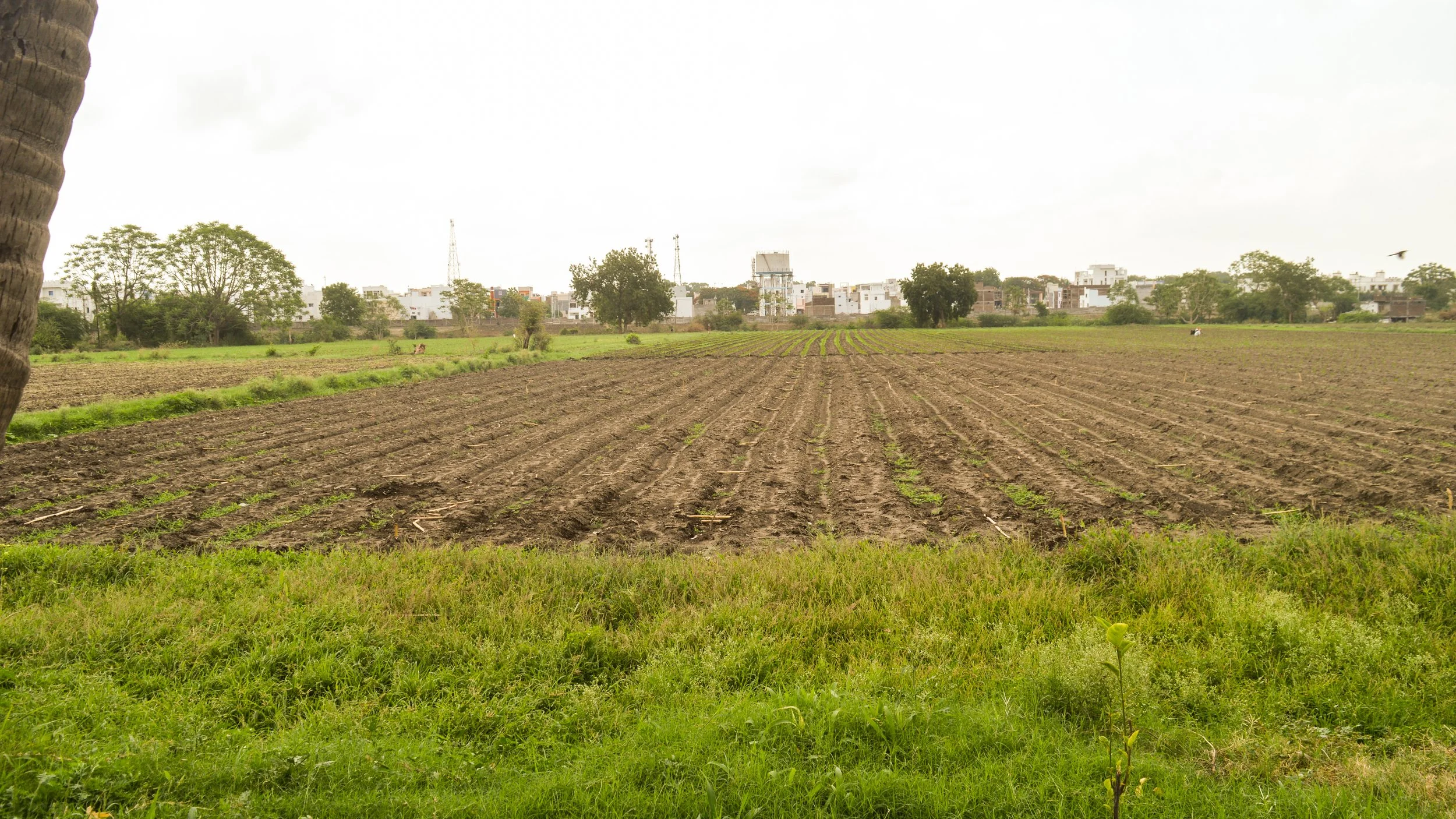
Agricultural Field (2020)
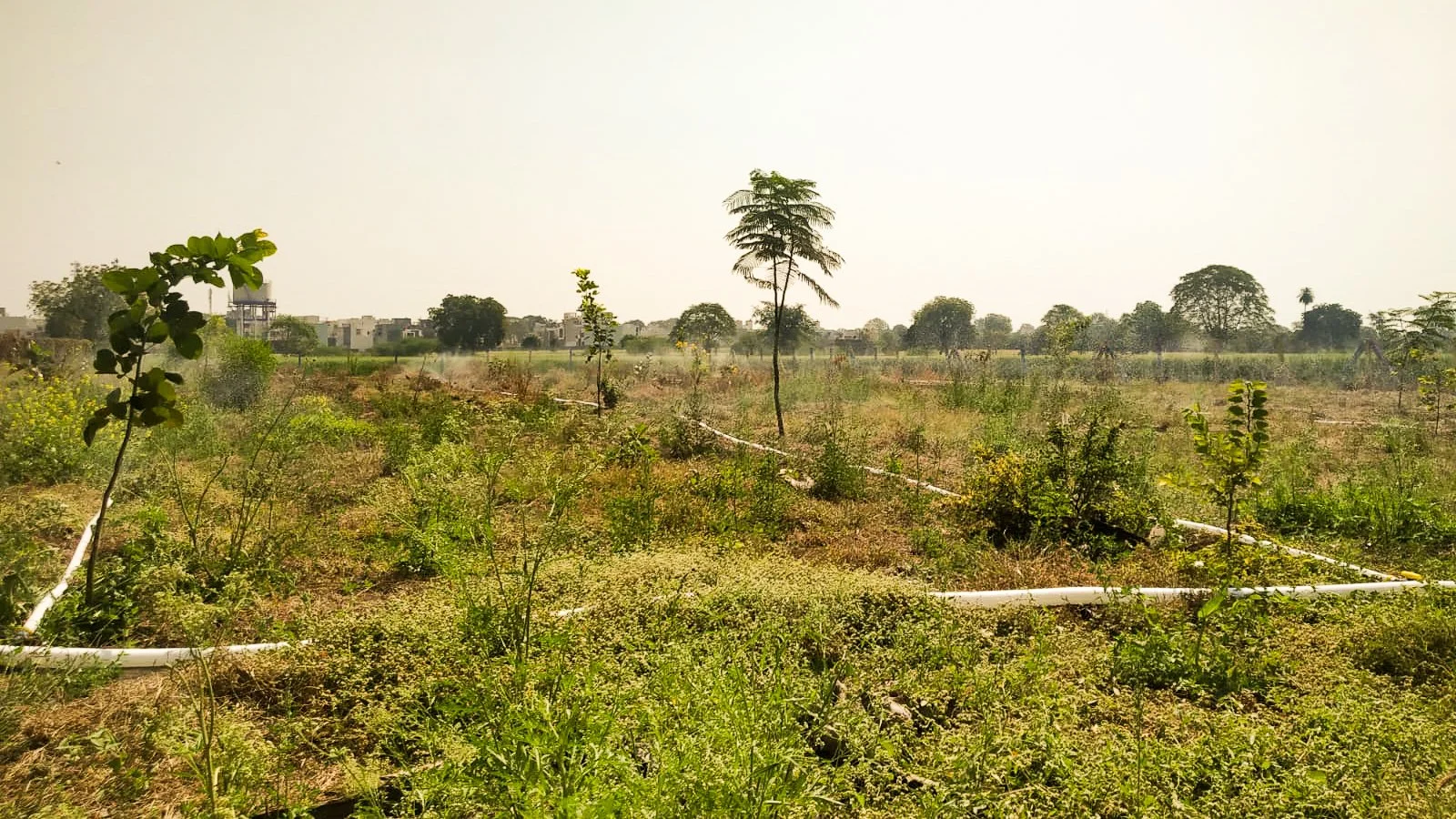
Initial Tree Plantation (2021)
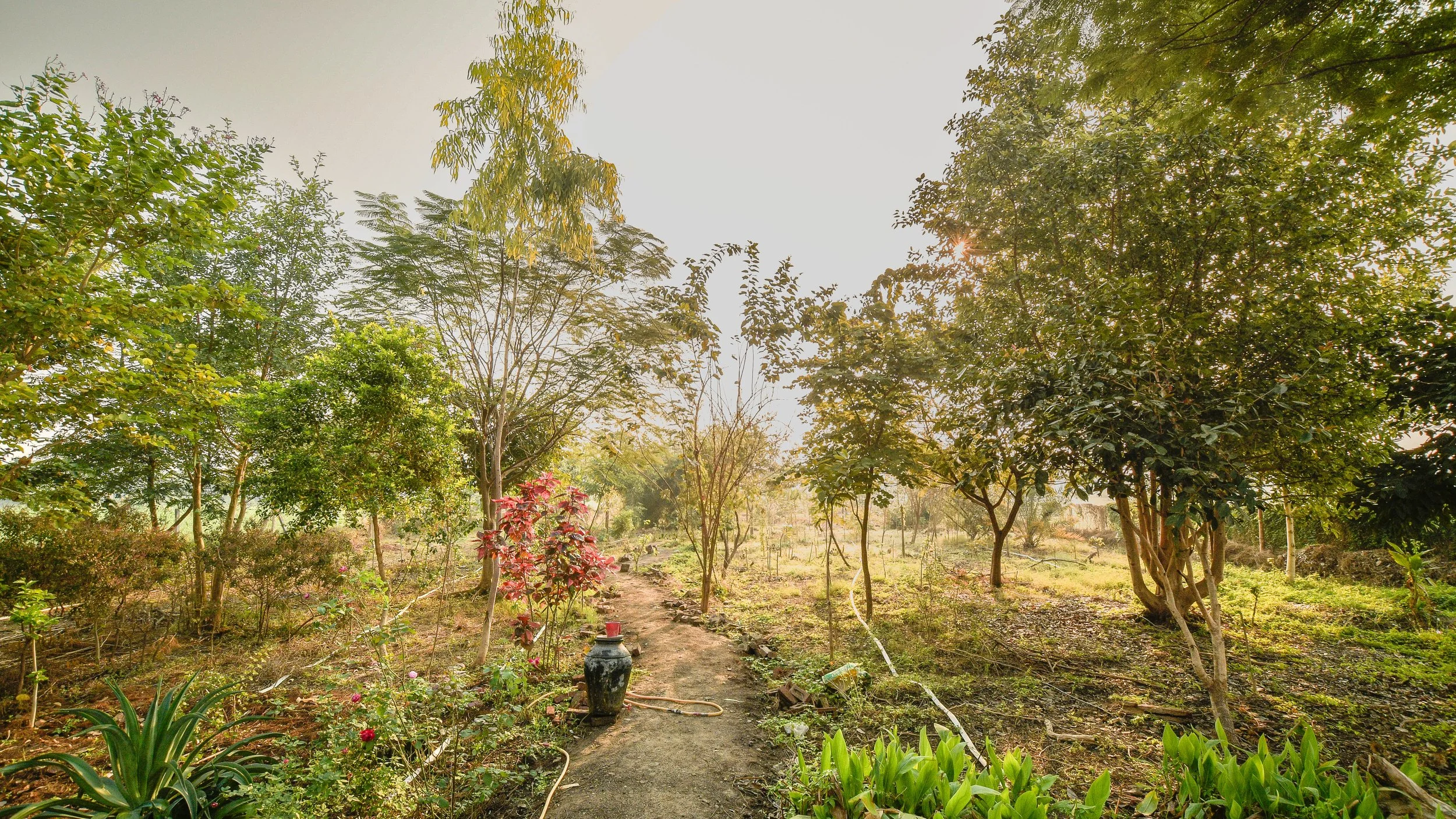
Maturing Forest (2025)
The project documents birdlife on a family-owned property that is being transformed from farmland into a forest ecosystem inspired by the principles of permaculture and agroforestry. Canopy & sub-canopy trees, flowering & fruiting species, understory shrubs, climbers and ground vegetation provide nesting, foraging, and shelter opportunities for a variety of bird species. Tree saplings were sourced from local government nurseries, with priority given to native species that provide food shelter, and other resources for local wildlife.
Through consistent field observations and photography, we document how bird communities change as the habitat continues to mature across seasons and years. In a landscape where intensive agriculture practices and chemical use are the norm, this long-term record provides insight into the biodiversity that can be supported through similar habitat restoration efforts.
Beyond documenting species, the project celebrates the beauty of birds while demonstrating how habitat restoration can support biodiversity in a human-managed landscape.
The following sections describe the study area, observation methods, photography ethics, and data processing used throughout this project.
Study Area
Region: Central India
Nearest City: Indore
Area: 2,400 sq. m.
Initial Tree Planting: 2021
Watershed: Narmada River
Soil: Vertisol (Black Cotton Soil)
Climate: Tropical, with distinct summer, monsoon and winter seasons
Water Bodies: 3 Wildlife Ponds
Although relatively small, the restored habitat functions as an isolated green refuge within an intensively managed agricultural landscape, supporting a diverse assemblage of resident and seasonal bird species.
Observation Schedule & Protocol
Observations are conducted in the sanctuary during the early morning, until approximately 9 a.m., when bird activity is generally at its highest. Field visits are carried out throughout the year under suitable weather conditions to ensure consistent seasonal coverage. Sustained, standardized observations have been maintained since Nov 2025.
Observations are conducted from fixed locations and by walking established paths within the property. Species are identified through direct visual observation, photography, and, for familiar species whose vocalizations can be confidently recognized, by sound alone. Unfamiliar, audio-only identifications are maintained separately until visually confirmed.
For each observation day, the date and species detected are recorded, with behavioral notes added where relevant. Species occurrence, seasonal presence, and observation probabilities presented on this website are derived from these standardized field records.
Photography Ethics
All photographs are captured with the welfare of wildlife as the highest priority. Birds are photographed under natural conditions without handling, trapping, or disturbing their behavior. Nesting birds, juveniles, and sensitive species are approached with particular care. If signs of stress or disturbance are observed, photography is discontinued immediately.
The project does not use baiting or any practices that may alter the natural behavior of wildlife for photographic purposes. Playback of bird calls is not used for photography.
Tools and Equipment
Camera & Lens: Nikon D7500 with AF-S NIKKOR 200-500mm f/5.6E ED VR
Binoculars: Celestron UpClose G2 8×40 Porro Binoculars
Sound Identification: Merlin Bird ID (Sound ID)
Data Collection: Google Sheets
Data Processing & Visualization: Tableau Public
Data Processing
Field observations are entered into a centralized database following each observation session. Records are reviewed for consistency before being used for analysis and visualization.
The dataset is processed to generate species lists, observation probabilities, seasonal frequencies and other summary statistics presented throughout this website. These analyses are based on standardized field observations and are updated as new data becomes available.
All calculations are derived exclusively from observations collected within the study area and are intended to document long-term patterns rather than estimate absolute populations sizes.
Limitations
The number of species detected is influenced by the amount of time spent observing. As observation duration is not recorded, differences in species counts between observation days may partly reflect differences in observation effort.
Each species is recorded only once per observation day, regardless of the number of individuals seen or the number of encounters. The dataset therefore records species presence, not abundance or population size.
Observations are not possible every day, as the project is maintained by a two-person team. Gaps in observation dates therefore reflect observer availability and should not be interpreted as an absence of bird activity.
Species detection also varies with season, weather, vegetation density and bird behavior. The absence of species from an observation day does not necessarily indicate its absence from the habitat.
Acoustic identification is also limited by the coverage of sound-identification tool used. Merlin Bird ID currently indicates that Sound ID supports approximately 61% of bird species in the area. Some birds heard within the sanctuary may therefore remain unidentified when their vocalizations are unfamiliar to the observers and are not recognized by the tool.
Acknowledgements
The methodology page and explanatory test were developed with editorial and structural assistance from ChatGPT by OpenAI. All field observations, species identifications, photographs, data collection, analysis, and conclusions are our own.